
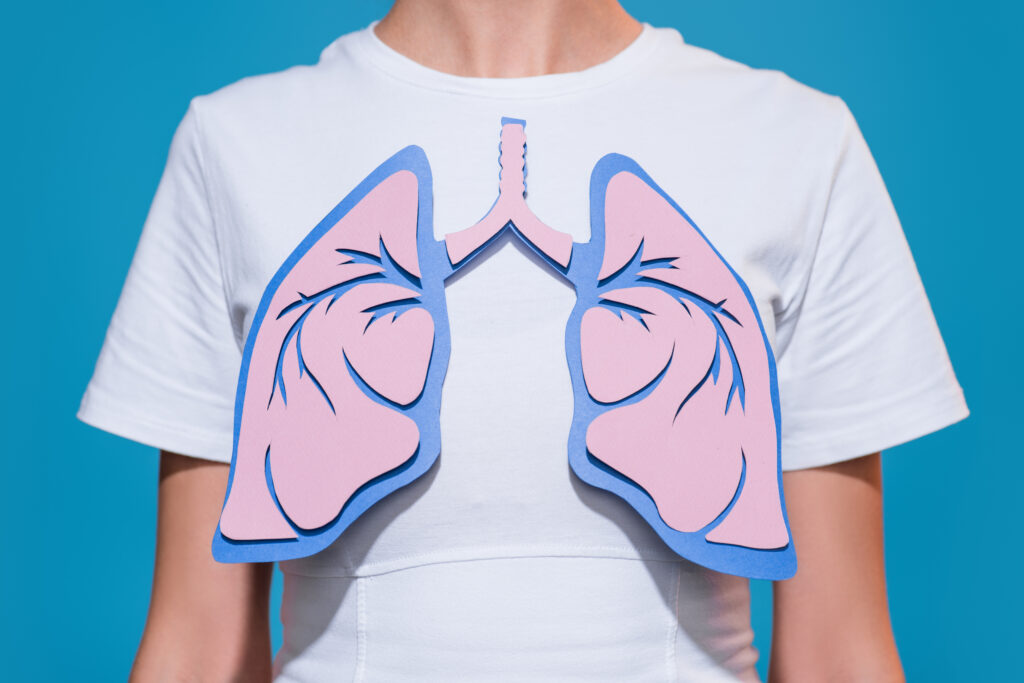
Alcohol is most commonly associated with damage to the liver, but its effects reach far beyond that single organ. Long-term alcohol misuse can also harm the lungs, leading to what is known as alcoholic lung disease. This condition is less widely recognized than liver disease, but it can have serious consequences for overall health. Understanding what alcoholic lung disease is and how it develops can help people see the importance of reducing or eliminating alcohol use.
How Alcohol Affects the Lungs
Alcohol weakens the immune system, making it more difficult for the body to fight infections. This leaves the lungs more vulnerable to illnesses like pneumonia and tuberculosis. In addition, alcohol damages cells in the airway and interferes with the tiny hair-like structures called cilia that normally help clear out bacteria and toxins. When the cilia cannot function properly, harmful substances remain in the lungs longer, increasing the risk of infection.
The Role of Inflammation
Chronic drinking increases inflammation throughout the body, including in the lungs. Inflammation makes it harder for the lungs to absorb oxygen efficiently and can lead to long-term respiratory problems. People who drink heavily are more likely to experience shortness of breath, frequent coughing, and greater difficulty recovering from respiratory illnesses.
Alcohol and Acute Respiratory Distress Syndrome (ARDS)
Research has shown that individuals with alcohol use disorder are at a higher risk for developing acute respiratory distress syndrome, or ARDS, which is a life-threatening lung condition. ARDS can occur when the lungs are severely inflamed and filled with fluid, making it extremely difficult to breathe. This risk is especially concerning when heavy drinking is combined with other health factors like smoking.
Signs of Alcoholic Lung Disease
While symptoms may vary, some common signs include:
-
Chronic cough
-
Wheezing or difficulty breathing
-
Frequent lung infections
-
Reduced exercise tolerance
-
Shortness of breath, even at rest in severe cases
Anyone experiencing these symptoms along with heavy alcohol use should seek medical evaluation.
Why Professional Support Matters
The lungs can sometimes heal when alcohol misuse stops, but continued drinking often makes the damage worse. Quitting alcohol is not always easy, especially if dependence has developed. Professional treatment provides structure, therapy, and medical support to help people safely stop drinking and begin repairing their health.
At Summit Helps in Princeton, individuals struggling with alcohol use disorder can enter outpatient programs that allow them to address addiction while continuing to live at home. These programs provide counseling, relapse prevention strategies, and education to support both physical and emotional recovery.
Choosing Recovery for Better Health
Alcoholic lung disease is a serious condition that highlights how alcohol affects the entire body, not just the liver. By seeking help early, individuals have a better chance of preventing further damage and improving their quality of life. Summit Helps in New Jersey offers outpatient services designed to guide individuals away from alcohol misuse and toward healthier, stronger living.
